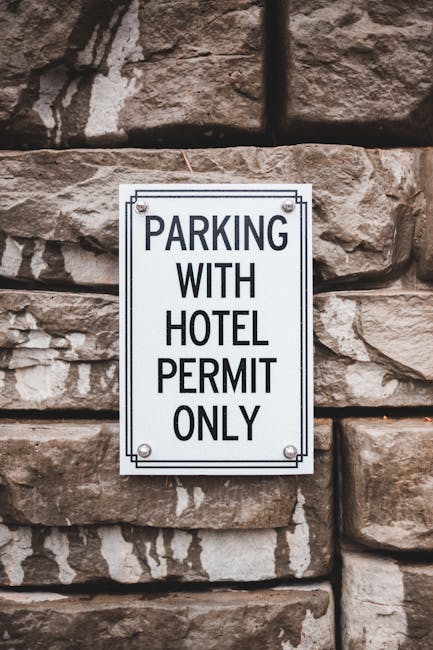
Permit parking for Newbury Park movers: applying to Redbridge
Posted on 05/07/2026
Moving house in Newbury Park sounds straightforward right up until the van turns up and the kerb is full. Suddenly, you are dealing with yellow lines, limited bays, neighbours' cars, and that familiar London problem: nowhere to stop without making life harder. That is where permit parking for Newbury Park movers: applying to Redbridge becomes more than a small admin task. It can be the difference between a calm loading window and a moving day that drifts into delays, extra lifting, and a bit of mild panic.
If you are planning a move in or around IG2, it helps to understand how Redbridge parking arrangements work before the boxes are stacked at the front door. In this guide, we will break down why parking matters, how the process usually works, what movers should check before applying, and which mistakes tend to cause the most grief. We will also cover practical ways to coordinate parking with your mover, your neighbours, and the rest of the day. To be fair, it is not the glamorous part of moving. But it is one of the parts that quietly keeps everything on track.
Why Permit parking for Newbury Park movers: applying to Redbridge Matters
Parking is one of those details people underestimate until the van arrives and everything gets tense. In a busy part of east London, especially near flats, terraced streets, or roads close to Newbury Park Station, access can be tight. A moving van needs space to stop, load safely, and ideally do so without blocking traffic or upsetting local restrictions. If parking is not sorted, the whole move can become slower, more expensive, and frankly more awkward than it needs to be.
Redbridge-managed parking arrangements matter because they help create a lawful loading space for the vehicle that is doing the heavy lifting. That might sound obvious, but the practical effect is huge. A van parked legally and close to the property means fewer carrying steps, lower risk of damage, and less fatigue for everyone involved. You will notice the difference most on awkward moves: top-floor flats, narrow roads, and those jobs where the sofa somehow looks bigger once it reaches the stairwell. Funny how that happens.
It also reduces the chance of conflicts with residents or enforcement issues. Nobody wants a notice on the windscreen or to waste time relocating the van while the crew stands around with a mattress balanced between them. If you are already juggling key collection, cleaners, and last-minute packing, parking should be one of the few things that feels organised.
For people planning a move with flat removals in Newbury Park or a broader home move, the parking plan is not just logistics. It is part of the service design.
How Permit parking for Newbury Park movers: applying to Redbridge Works
Different streets and parking zones can be handled in slightly different ways, so the first rule is simple: check the exact location, not just the postcode. In practice, the move usually needs one of three things: a visitor arrangement, a temporary parking permission, or a loading solution that fits the street conditions. The exact route depends on where the property sits, whether bays are marked, and whether there are time limits or restrictions in force.
Most movers think only about where the van will park. Fair enough. But the better question is: where will the vehicle park, how long will it stay there, and what does that mean for loading access? A good plan considers the full picture. Can the driver get close enough to avoid a long carry? Is there room to leave a ramp safely? Is the entrance shared with other residents? If the answer to any of those is "not really," you need to plan earlier rather than later.
Applying through Redbridge usually means gathering the property details, the moving date, the vehicle information, and the time window you need. It is also wise to check whether any road works, suspension notices, or seasonal restrictions could affect access. That part gets missed more often than you would think. The street can look fine at 8pm the night before and then be half-coned off by lunchtime. Typical London timing.
If your move is time-sensitive, it can help to read this IG2 postcode moving guide on parking, access and restrictions alongside your permit planning. It gives useful context for how local access issues affect the moving process itself.
Key Benefits and Practical Advantages
The biggest benefit is obvious: smoother access. But there are several knock-on effects that matter just as much.
- Shorter carrying distance: Less walking time between van and front door means faster loading and unloading.
- Lower risk of damage: Furniture, floors, door frames, and fragile items are less likely to take a knock when the route is short and direct.
- Better time control: A stable parking plan helps the move stay within the planned window.
- Reduced stress: Everyone knows where the van is going, which sounds basic, but it removes a lot of moving-day friction.
- Cleaner coordination: If removers, cleaners, or key handover timings are tight, parking certainty helps the whole schedule breathe a little easier.
There is also a hidden benefit: better communication. When parking is confirmed early, the driver, the client, and anyone helping at the property can work from the same plan. That makes it much easier to stage boxes, prepare protective materials, and time lifting work sensibly. You can almost feel the day settling down.
For bigger jobs, this matters even more. If you are moving bulky items, bulky waste, or especially awkward furniture, the loading area becomes a functional part of the move rather than an afterthought. If you are also dealing with a storage handover or a split move, it may be worth looking at storage options in Newbury Park so the van visit and the parking slot are used efficiently.
Who This Is For and When It Makes Sense
Permit parking is most relevant if your move involves a narrow road, controlled parking, or limited stopping space. That covers a lot of Newbury Park, especially around busy residential streets and locations near transport links. But it is not just for house moves. It can be useful for a student flat, an office relocation, or even a same-day move where speed matters and the last thing you need is parking uncertainty.
This is especially sensible when:
- you live in a flat with no private driveway;
- the nearest legal bay is not directly outside;
- the move involves a large van or multiple trips;
- you have fragile or heavy items that should not be carried far;
- you are moving at a busy time of day;
- you have limited access to lifts, courtyards, or back entrances;
- you need the vehicle close for a short, intense loading window.
For students, the issue often comes down to timing and convenience. End-of-term moves are busy, and the street outside shared housing can be packed. A structured plan helps avoid the classic "three people carrying boxes while someone is still looking for keys" moment. If that sounds familiar, you are not alone. It happens more than it should.
For family moves, the goal is usually calm and control. For offices, it is speed and minimal disruption. For flats, it is access. Different priorities, same principle: better parking, smoother move.
You may also find it helpful to compare this with the wider moving process in taking stress out of the moving equation, especially if you are trying to reduce moving-day pressure from several directions at once.
Step-by-Step Guidance
Here is a practical way to handle permit parking for a Newbury Park move without overcomplicating it.
- Identify the exact address and street layout. Do not rely on the postcode alone. Note where the van would ideally stop, whether there are bays, yellow lines, or loading restrictions, and whether the property sits on a corner or narrow side street.
- Check the parking conditions for the moving date. Look for resident-only restrictions, time-limited bays, controlled hours, and any temporary suspensions or road works. If there is uncertainty, build in a backup plan.
- Confirm the vehicle details. Some arrangements depend on the size or type of vehicle. A small van and a long wheelbase van do not always fit the same space comfortably.
- Work out the loading window. Be realistic. A small flat might only need a short loading slot, but a family house move often needs more time than people first estimate.
- Apply or arrange permission early. Do not leave parking to the day before if you can avoid it. The smoother the approval process, the less chance of last-minute scrambling.
- Coordinate with your removals team. Tell them where the van can stop, how far the carry is, and whether there are stairs, lifts, or access codes. That information shapes the crew and the equipment they bring.
- Prepare the loading area. Keep doorways clear, stage boxes near the exit, and make sure the parking space is actually usable when the van arrives. Little detail, big difference.
- Build in a small buffer. Even a well-planned move can be slowed by traffic, neighbours, or key handover delays. A bit of flexibility saves stress.
One useful habit is to treat parking as part of the booking conversation rather than a separate admin chore. That way, the mover can plan the route, timings, and lifting strategy together. It is much better than discovering the space is too tight after the first sofa has already been moved six feet out the door.
Expert Tips for Better Results
In practice, the best parking arrangements are not the most complicated ones. They are the most thought-through ones.
Tip 1: Match the van size to the street. If the road is tight, a smaller vehicle may be more efficient than a larger one that is technically impressive but awkward to place. A van that can stop neatly outside often saves more time than a bigger van parked three houses away.
Tip 2: Keep the access route honest. If the front path has a loose paving stone, a steep step, or a low branch, mention it. It sounds minor until someone is carrying a wardrobe and suddenly becomes very aware of gravity.
Tip 3: Plan around the busiest local times. Early morning or mid-morning slots are often easier than late afternoon, especially near commuter routes. If you are looking at timing more broadly, the Newbury Park Tube Station commuter moving tips are worth a look.
Tip 4: Protect the moving route inside the property. Parking is only half of access. Once the van is close, the internal route still needs clear floors and safe turning space. This is where the ultimate packing checklist for moving day success can help you stay organised.
Tip 5: Avoid last-minute decluttering on the pavement. Decide what is moving, what is being stored, and what is being recycled before the van arrives. If you are not sure, use pre-move sorting time wisely. A tidy landing and a clear hallway can shave off more time than people expect.
Tip 6: Think about awkward items early. Beds, sofas, pianos, and antiques all create different access needs. A piano move, for example, is not the moment to discover the nearest loading point is 60 metres away and uphill. That is exactly the sort of scenario where specialist planning pays off.
If you are moving heavier household pieces, these guides may help you think ahead: moving your bed and mattress safely and sofa storage and preservation tips.

Common Mistakes to Avoid
Some parking problems are predictable. The good news is they are usually avoidable if you know where people go wrong.
- Leaving the permit discussion too late. By the time the van is packed, it is often too late to sort out the simplest parking solution.
- Assuming the space outside is automatically fine. A spot can look usable and still be restricted.
- Not measuring the access route. A parked van is one thing; a van that can be loaded safely is another.
- Forgetting about neighbours and shared access. Shared driveways, communal entrances, and narrow turns can create friction if they are not discussed beforehand.
- Failing to tell the removals team about restrictions. If they do not know there is a one-way street, a tight corner, or a permit-only section, they cannot plan efficiently.
- Ignoring backup options. A single parking plan is risky. A backup bay or alternative stopping point gives you breathing room.
- Letting clutter spill into the loading zone. Moving boxes, old furniture, cleaning supplies, and recycling bags all compete for the same space if you are not careful.
There is also a subtle mistake people make: overestimating how quickly they can load if the van is farther away than expected. That extra distance does not sound like much at 9am. By 11am, with a staircase involved, it absolutely does.
Tools, Resources and Recommendations
You do not need a complicated toolkit, but a few practical items make parking and loading much easier.
- Notebook or phone notes: Keep the address, access instructions, and timing details in one place.
- Measuring tape: Useful for checking furniture dimensions, stair turns, and doorway widths.
- Marker pens and labels: Helps stage boxes quickly once the van is in place.
- Phone charger: Sounds basic, but your moving-day phone gets used constantly for calls and timings.
- Protective coverings: Floor runners, blankets, and wrap reduce the chance of scratches on the route to the van.
As for reading material, the following are especially useful if your move is part of a wider relocation:
- how to spot hidden removal fees
- Redbridge bulky waste rules movers should know
- bulky waste removals in IG2
If you are preparing a full household move, it can also help to review the wider service pages such as removals in Newbury Park and man with a van in Newbury Park so that parking and transport are planned together.
Law, Compliance, Standards, or Best Practice
Parking rules and loading arrangements can vary by street, so the safest approach is always to follow the local restrictions that apply to the exact location. In practical terms, that means checking the signs, following the permitted time windows, and making sure any temporary permission actually matches the vehicle and the date of the move. It is one of those areas where "that should be fine" is not really a reliable strategy.
From a best-practice perspective, movers should aim to keep the process lawful, safe, and transparent. That includes avoiding blocked access, respecting residential areas, and making sure the moving vehicle is parked where it does not create a hazard. It is also sensible to think about manual handling safety. If a van is parked awkwardly, staff end up carrying heavier items further than necessary, which is not ideal for anyone. For more on safe working methods, you may find insurance and safety information helpful in understanding how responsible moving is approached.
Where a move involves shared spaces, communal parking, or neighbouring properties, clear communication is part of good practice too. A quick knock on the door, a polite note, or an agreed arrival time can prevent problems before they start. Small thing, but it matters.
Options, Methods, or Comparison Table
There is usually more than one way to handle loading access. The best choice depends on the street, the property, and how much you are moving.
| Method | Best for | Pros | Trade-offs |
|---|---|---|---|
| Direct permit or reserved loading spot | Busy residential streets, flat moves, larger loads | Shortest carry, simplest loading, better time control | Needs planning and may require advance approval |
| Nearby legal bay with controlled carry distance | Moderate moves with some flexibility | Often easier to arrange, good compromise | Longer carry, more effort, slower unloading |
| Timed loading window with careful sequencing | Smaller moves or tight access areas | Useful when space is limited | Less forgiving if the move runs late |
| Split loading with storage or second trip | Complex moves, mixed furniture, last-minute timing issues | Reduces pressure on one parking slot | More coordination, potentially more time |
For a straightforward one-bed flat move, a nearby legal loading option may be enough. For a larger house move or anything involving awkward furniture, direct access is usually worth the effort. In truth, the best option is the one that fits the move, not the one that looks easiest on paper.
Case Study or Real-World Example
Here is a realistic example. A couple moving from a second-floor flat in Newbury Park had booked their van for a Saturday morning. At first, they assumed the closest space outside would be free because "it usually is." By the time the weekend arrived, the road was fuller than expected, and the only open spot was a little further down the street. Not a disaster, but enough to slow everything down.
They adjusted early, spoke to the driver, cleared the hallway, and staged the heavier boxes near the front door. The movers used a short sequence: furniture first, then boxes, then fragile items last. The result was a move that stayed controlled even with the extra walking distance. It was not perfect. There was a bit of rain around lunchtime, and someone nearly mislaid the kettle box, which caused the usual small moving-day drama. But the overall process stayed calm because the parking issue had been faced early instead of ignored.
That is the real lesson. The move did not go smoothly because everything was ideal. It went smoothly because the team adapted before the day got messy.
Practical Checklist
Use this checklist a few days before moving day, then again the night before.
- Confirm the full moving address and the exact street location.
- Check whether the road has restrictions, permit rules, or loading limits.
- Review the van size and whether it fits the access point.
- Agree the loading and unloading window with the mover.
- Prepare any permit or permission needed for the parking space.
- Tell the removals team about stairs, lifts, gates, or shared entrances.
- Clear the route from the front door to the van.
- Stage boxes and furniture in sensible order.
- Keep fragile items separate and clearly labelled.
- Set aside documents, keys, chargers, and essentials you will need first.
- Have a backup plan in case the nearest space is unavailable.
- Check the weather and protect items accordingly if rain is likely.
If you are the sort of person who likes a tidy moving morning, you will probably also appreciate a full prep read through decluttering and cleaning before the move and decluttering before the move. They complement parking planning nicely because the less cluttered the property, the easier the loading route.
Conclusion
Permit parking for Newbury Park movers: applying to Redbridge is not just a box-ticking exercise. It is one of the most practical ways to protect your time, your furniture, and your peace of mind. When parking is sorted properly, the rest of the move tends to feel more manageable. Doors open, boxes move, the van loads, and the day stays on the rails.
The main thing is to plan early, keep the access route realistic, and treat parking as part of the moving strategy rather than an afterthought. That simple shift saves a lot of hassle. And on moving day, a bit less hassle goes a long way.
If you are preparing a move in Newbury Park and want the job to feel organised from the first box to the final unload, it is worth getting the parking side sorted alongside the removals plan.
Get a free quote today and see how much you can save.
When the last box is in place and the van pulls away, it is always the small organised decisions that make the biggest difference. That part never really changes.