Moving antiques in Newbury Park: fragile items handled right
Posted on 18/06/2026
Antiques are awkward in the best possible way. They are valuable, often sentimental, and usually a bit more delicate than they first look. When you are planning Moving antiques in Newbury Park: fragile items handled right, the challenge is not just getting them from A to B. It is protecting finishes, joints, glass, veneer, ceramics, frames, and all those tiny details that make an old piece worth keeping in the first place. A chipped leg or cracked glaze can undo years of care in one careless lift.
This guide walks through the practical side of antique moving in Newbury Park: how the process works, what makes it different from ordinary furniture removals, what to prepare before moving day, and where people most often go wrong. You will also find a checklist, comparison table, and a real-world style example so you can judge what good handling actually looks like. If you are already thinking about the wider move, it can help to pair this with the ultimate packing checklist for moving day success so the rest of the house is under control too. Nice and simple, ideally.
Why Moving antiques in Newbury Park: fragile items handled right Matters
Antiques do not fail in the same way modern flat-pack furniture does. They can loosen, split, scratch, warp, or simply lose value from a tiny bit of bad handling. That is why the phrase "fragile items handled right" is not marketing fluff here; it is the whole point. In Newbury Park, many moves involve narrow hallways, stairs, parking constraints, and shorter loading windows, so the margin for error gets even smaller.
Take an old dining table with hand-turned legs. It might look sturdy enough to carry like a regular table, until you tilt it through a door frame and the joint starts to complain. Or a Victorian mirror with aged backing; one knock and you have a mess of cracked glass and loose backing board. Truth be told, most antique damage happens not during the long drive, but during the lifting, turning, padding, and loading stages.
There is also the emotional side. Some pieces are family heirlooms. Some are a little rough around the edges but impossible to replace. You are not just moving objects; you are moving memory, craftsmanship, and often a fair bit of money. That changes the way the job should be approached.
For that reason, many people planning a full property move also read up on taking stress out of the moving equation and organise the rest of the home around the fragile items first. It sounds obvious, but a calmer move usually means fewer rushed decisions, and fewer rushed decisions mean fewer broken things. That part matters a lot.
How Moving antiques in Newbury Park: fragile items handled right Works
Handled properly, antique moving is a sequence of small, careful actions rather than one heroic lift. It starts before the van arrives. The key is to identify each item, understand its weakest point, and decide how it should be wrapped, carried, and loaded. A carved cabinet is not treated the same way as a porcelain vase, and neither should be bundled in with general household boxes.
A good moving process usually follows this pattern:
- Assessment - note the item's size, material, age, and fragile features.
- Preparation - remove loose parts, secure drawers, and pad delicate surfaces.
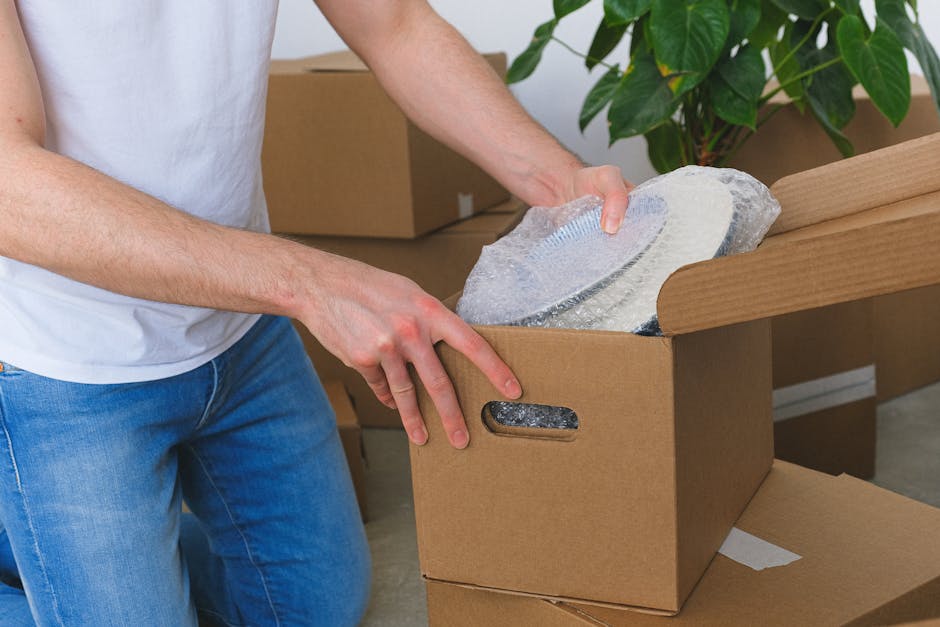
- Wrapping - use layered protection rather than one thin sheet of material.
- Manual handling - lift with enough people and the right grip points.
- Vehicle loading - keep items stable, upright where necessary, and separated from heavier freight.
- Transit - drive smoothly, avoiding unnecessary jolts where practical.
- Unloading and placement - set pieces down gently and inspect them before signing off.
This sounds methodical because it is. And that is a good thing. A fragile object likes predictability. It does not care how quickly you want to finish. If anything, a slightly slower pace is a sign the job is being done properly.
For larger items, it may also make sense to coordinate with a wider removals plan. If you are moving mixed furniture and valuables together, the guidance in furniture removals in Newbury Park can help you think about sequencing, access, and protection in a more practical way.
Key Benefits and Practical Advantages
The biggest benefit is obvious: reduced risk of damage. But the practical advantages go a bit deeper than that. When antiques are handled properly, the move becomes more controlled, less stressful, and easier to insure or document if needed. That matters when the item has restoration value or family significance.
- Better preservation of finish - polished wood, varnish, gilt frames, and old lacquer stay intact for longer.
- Lower risk of structural damage - joints, legs, handles, hinges, and veneer are supported rather than stressed.
- Cleaner unloading - good wrapping keeps dust, grit, and scuffs away.
- Less emotional strain - you are not spending the whole journey wondering if the cabinet is scraping the side of the van.
- More organised unpacking - labelled, protected antiques are easier to place in the right room.
There is another, quieter benefit. Proper handling usually means fewer last-minute panics. The move feels less chaotic. Anyone who has ever stood in a hallway at 8:15 in the morning, staring at a mahogany sideboard and a tight staircase, will know exactly what I mean. You want confidence, not improvisation.
For readers who are still decluttering before moving day, decluttering and cleaning before the next chapter is a useful companion read. A clearer route through the property often protects antiques as much as the packing materials do.
Who This Is For and When It Makes Sense
Antique moving services are not only for collectors with showpiece cabinets and marble busts. They make sense for anyone moving items that are old, fragile, awkwardly shaped, or sentimentally important. That could be a single heirloom clock, a set of dining chairs, a grandfather clock, an ornate mirror, a ceramic lamp, or a display cabinet with glass panels.
It also makes sense when the route is awkward. Newbury Park homes can involve compact entrances, shared access, parking pressure, or stairs that make even a modest-sized item awkward. If you live in a flat or upper-floor property, the risk rises quickly. In those cases, a little planning saves a lot of effort, and probably a lot of muttering too.
This is especially relevant if your move is part of a larger home transition, such as downsizing, a family relocation, or a flat move. If that sounds familiar, flat removals in Newbury Park can be a useful reference point for thinking about access, loading, and the reality of working in tighter spaces.
You should also think about timing. If the antique is going into storage temporarily, the handling standard should be just as careful as if it were going straight to a new home. A lot of damage happens in the "just for now" phase because people relax too soon. That is human, but not ideal.
Step-by-Step Guidance
Here is a practical way to approach the move without overcomplicating it.
- List every antique individually. Do not group "small ornaments" together if one of them is a delicate painted vase and another is just a brass trinket. Itemise them.
- Photograph the condition. Take clear pictures of corners, joints, chips, and existing marks. This helps you keep track of condition before and after the move.
- Measure access. Check doorways, stairs, landings, banisters, and any awkward turns. A piece that fits in the room may still fail at the stairwell.
- Remove anything loose. Shelves, detachable feet, glass inserts, keys, handles, and drawers should be secured or taken out where appropriate.
- Wrap in layers. Soft blankets, padding, and edge protection usually work better than a single wrap. Delicate surfaces need breathing room, not pressure.
- Mark orientation. Write "this way up," "fragile," or "glass" on the outside where it matters. Simple, but useful.
- Load by weight and sensitivity. Heavy, rigid items should not crush light, fragile ones. Keep antiques separate from clutter boxes.
- Inspect on arrival. Unwrap carefully, check joints and corners, and make sure no moisture or compression damage has occurred.
If you are handling other specialist items at the same time, it is worth comparing your approach to more technical moves. For example, piano removals in Newbury Park show why weight, balance, and route planning can matter just as much as padding. Different item, same lesson: respect the object.
Expert Tips for Better Results
A few practical tips make a real difference, and they are the kind people often only learn after a mistake. Better to skip that part if you can.
Use soft materials before hard ones
Start with a clean soft layer, then add protective wrapping, then edge support if needed. Hard protection directly against a fragile finish can do more harm than good. Let the item be cushioned, not squeezed.
Protect corners first
Corners and edges usually take the first hit. A table top can survive surprisingly well, but one sharp knock on a corner can lift veneer or split wood fibres. That is the bit people underestimate.
Keep antique parts together
If a piece has separate handles, shelves, keys, or fixings, store them in a labelled pouch and keep that pouch with the item. Not in a random kitchen drawer. Not "somewhere safe." We all know how that story ends.
Don't let furniture touch furniture
In the van, create separation wherever possible. A little spacing, a soft divider, or a blanket between items can prevent rubbing and pressure marks.
Plan for weather and damp
Newbury Park weather may not be dramatic most days, but a damp stairwell or wet pavement can still cause problems. Keep antiques covered from rain, and avoid putting them directly on damp floors. Moisture and old timber are not friends.
If you are clearing space before the move, you may also find pre-move decluttering ideas surprisingly helpful. Less clutter means fewer trip hazards, and fewer trip hazards mean safer lifting. Funny how that works.
Common Mistakes to Avoid
Most antique damage is preventable. The same few mistakes keep turning up again and again.
- Wrapping too tightly - pressure can damage fragile surfaces, especially on old varnish or painted finishes.
- Using the wrong box or crate - oversized boxes let items shift; undersized ones force them into stress.
- Ignoring hidden weakness - a piece may look solid but still have loose glue, brittle joints, or repaired areas.
- Carrying by decorative features - handles, trim, and carved sections are not load-bearing grips.
- Rushing stairs and corners - that is where chips, scrapes, and smashed glass happen.
- Mixing antiques with heavy household goods - books, appliances, and packed boxes can crush fragile items if stacked badly.
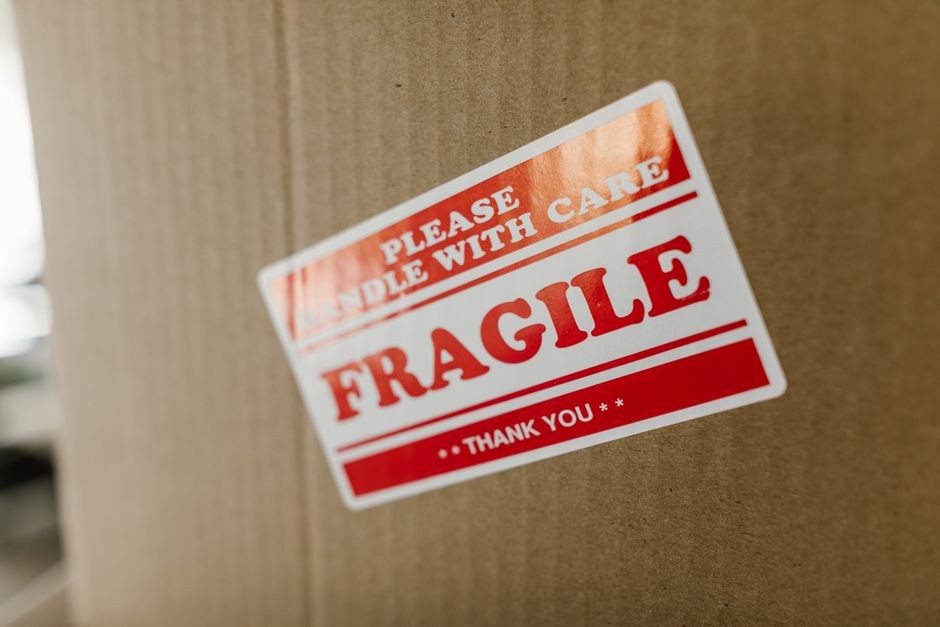
- Leaving labels off - if no one knows what is fragile, someone will eventually stack something on it. It happens.
Another mistake is assuming a professional-style job is only needed for museum-quality pieces. Not really. A modest antique chair can still have fragile joints and irreplaceable finish. Value is not only about auction price. Sometimes it is about what cannot be replaced in your own home.
Tools, Resources and Recommendations
You do not need a shed full of specialist kit, but the right basics help enormously.
| Item | Why it helps | Best use |
|---|---|---|
| Soft moving blankets | Cushion surfaces and reduce scratches | Tables, cabinets, frames, mirrors |
| Bubble wrap or wrap pads | Protect fragile details and odd shapes | Ornaments, lamps, smaller valuables |
| Corner protectors | Shield weak edges during lifting | Tables, mirrors, shelving |
| Labels and markers | Helps keep fragile items identified | Boxes, wrapped bundles, loose fittings |
| Tape and ties | Secures drawers, doors, and loose parts | Cabinets, display units, frames |
| Clean packing paper | Wraps delicate items without harsh pressure | Ceramics, glass, smaller antiques |
One practical recommendation: always keep fragile items separate from general packing until moving day, not buried under everything else. If you need to organise packing supplies or box sizes for the rest of the move, packing and boxes in Newbury Park is a sensible place to start. That way the whole move feels coordinated rather than pieced together on the morning.
If storage is part of the plan, make sure antiques are wrapped for storage conditions too, not just for transport. The difference is subtle but important. Transport protection is about impact; storage protection is about time, dust, and pressure.
Law, Compliance, Standards, or Best Practice
When moving antiques, the legal side is usually less about antique law and more about general moving best practice, property access, liability, and safe handling. You are not usually dealing with a special legal process for ordinary household antiques, but you do want clarity around responsibility, insurance, and conditions of carriage.
In the UK, professional movers are expected to handle goods with reasonable care and to make sure their working methods are safe. That normally means using suitable equipment, safe lifting practices, and appropriate packing for delicate items. If a company offers removal services, it should be clear about what it covers and what it expects from the customer in terms of access and preparation.
It is also sensible to check:
- whether fragile items are covered under the mover's policy or your own cover
- what exclusions apply to pre-existing damage
- how condition issues should be reported
- what happens if a piece needs special handling or a larger vehicle
For a broader sense of how a reputable mover approaches this, the pages on insurance and safety and health and safety policy are useful touchpoints. They help set expectations, even if your own move is fairly small.
And if you are choosing between moving providers, it helps to know what service scope you actually need. Some moves only need a van and careful loading. Others need full handling support, route planning, and dismantling. removal services in Newbury Park is a straightforward way to think about that wider picture without overcomplicating the job.
Options, Methods, and Comparison Table
There is more than one way to move antiques, and the best option depends on the item, the access, and how much risk you are willing to carry yourself. Here is a simple comparison.
| Method | Best for | Pros | Watch out for |
|---|---|---|---|
| DIY with hired van | Very small, tough items | Cheaper upfront, flexible timing | Higher risk of damage, lifting strain, poor loading |
| Man and van with careful packing | Mixed home moves with a few antiques | Practical, efficient, more support than DIY | Needs clear instructions and proper preparation |
| Specialist handling approach | Large, valuable, or highly fragile antiques | Best protection, better route planning | May take more time and cost more |
For most households, the middle option is the sweet spot: enough support to reduce risk, without turning the move into a full restoration project. To be fair, not every antique needs a white-glove solution. But every antique does need thought.
If you are weighing service levels, man with a van in Newbury Park is worth reviewing alongside the more general man and van Newbury Park approach. The right fit often depends on how many fragile pieces you have and how awkward the property access is.
Case Study or Real-World Example
Here is a realistic example from the kind of move people often underestimate. A couple in Newbury Park were relocating from a first-floor flat to a house a few streets away. They had a small but valuable collection: an oak sideboard, a framed mirror, two porcelain lamps, and a set of dining chairs inherited from family.
At first glance, it looked easy. Short distance, no huge sofas, nothing especially heavy. But the flat had a tight stairwell, one awkward turn at the landing, and limited parking outside. The sideboard needed its drawers secured, the mirror needed extra edge padding, and the lamps had to travel separately from the rest of the furniture because the shades were old and slightly brittle.
The most useful decision they made was to clear the route before anything moved. Shoes, baskets, and the usual hallway clutter went away first. It saved about ten minutes. More importantly, it removed the one thing that often causes panic: a hidden trip hazard when someone is already half-turned on the stairs. Small thing, big difference.
By the time the move finished, nothing had been chipped, and the couple said the best part was not the speed. It was the quiet. No last-second shuffling, no shouts from the stairwell, no awkward scraping sound. Just a calm handover and a very relieved cup of tea afterwards. Honestly, that is what a good antique move should feel like.
Practical Checklist
Use this checklist before moving day. It is simple, but it covers the details that tend to go missing when people are in a rush.
- Identify every antique and note its condition
- Photograph each item before wrapping
- Measure doorways, stairs, and tight corners
- Remove loose parts, keys, shelves, and glass where possible
- Wrap items in soft protective layers
- Label fragile items clearly
- Keep antiques separate from heavy boxes
- Prepare a clear loading path
- Check whether storage or temporary staging is needed
- Confirm insurance and handling expectations
- Inspect items again on arrival
If your move also includes larger household furniture, it may help to review expert advice on moving your bed and mattress and tips for sofa storage and preservation. They are not antique guides, of course, but they do reinforce the same planning mindset: protect the item before you think about speed.
Get a free quote today and see how much you can save.
Conclusion
Moving antiques in Newbury Park is not difficult because the items are fragile; it is difficult because fragile items punish haste. The answer is careful assessment, proper wrapping, smart loading, and a moving plan that respects both the item and the property. When those pieces come together, fragile items are handled right, and the move feels far less stressful than people expect.
Whether you are shifting one heirloom cabinet or a whole collection of delicate pieces, the right approach is steady, practical, and a little patient. That may not sound exciting, but it is exactly what protects the things you cannot replace. And really, that is the point.
Take your time, trust the process, and give the antiques the kind of handling they quietly deserve.