Bulky waste removals in IG2: sofas, wardrobes and costs
Posted on 02/06/2026
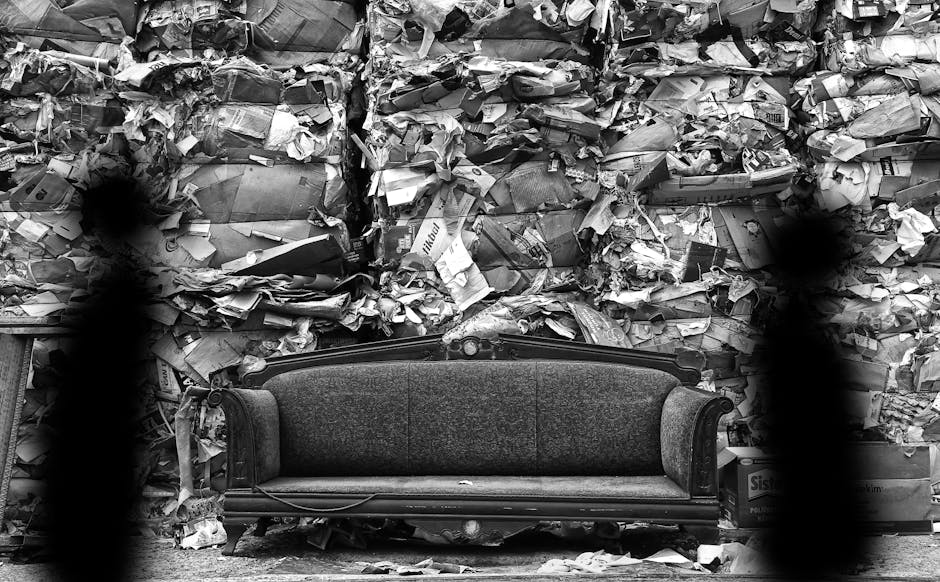
If you are trying to clear a sofa that no longer fits the room, a wardrobe that has become awkward to move, or a pile of bulky items that is simply taking up space, you are not alone. Bulky waste removals in IG2 can feel straightforward at first, then suddenly turn into a puzzle about access, lifting, disposal, timing, and cost. Truth be told, the hard part is often not the item itself, but everything around it: stairs, tight hallways, parking, and whether the piece is still usable enough to be reused or should go for recycling.
This guide breaks the process down in plain English. You will find out what bulky waste removal actually involves, how it works in a busy IG2 setting, what usually affects the price, and how to avoid the common mistakes that make a simple clear-out more stressful than it needs to be. If you are planning a larger home refresh too, it can help to read this practical decluttering guide alongside it, because a lot of bulky waste jobs start as a "just getting rid of one thing" task and end up as a mini reset of the whole room.
Why bulky waste removals in IG2: sofas, wardrobes and costs matters
In IG2, bulky waste is rarely just about size. It is about how a large item behaves in a real home. A three-seater sofa can be light enough for two people on paper, yet still be miserable to carry down a narrow staircase. A wardrobe may look simple until you discover it cannot turn the corner without being partially dismantled. And once you add parking pressure, lift access, and busy street layouts, the job starts to feel very local, very quickly.
That is why a proper bulky waste removal service matters. It protects your time, your walls, your back, and, often, your peace of mind. Let's face it, the last thing anyone wants is a scratched banister or a sofa stuck halfway through the hallway with everyone pretending to know the plan. A professional approach also helps you choose the right route for disposal. Some items can be reused or passed on, while others need responsible recycling or waste handling.
Cost is another big reason people search this topic. Many people assume bulky waste removal is simply "a van and a lift," but pricing usually reflects more than that. Access, labour, the number of items, loading time, and disposal route all shape the final figure. If you compare it with a general moving job, the logic is similar to the advice in this piece on reducing moving stress: the cheapest-looking option is not always the most sensible once time, risk and effort are factored in.
For many households in IG2, bulky waste removal is also part of a wider declutter before a move, refurbishment, tenancy handover, or family change. In that sense, it is not just waste removal. It is a reset. A practical one, but still a reset.
How bulky waste removals in IG2: sofas, wardrobes and costs work
The process is usually more organised than people expect. A good bulky waste removal starts with identifying exactly what needs moving, where it is located, and how it can be handled safely. Sofas, wardrobes, beds, cabinets, shelving units, mattresses and similar items are often assessed for size, weight, fixings, and access points before anything is lifted.
Here is the basic flow:
- Item review - the team checks what needs removing, whether it can be moved in one piece, and whether dismantling will help.
- Access check - stairs, lifts, doors, corridors and outside parking are considered. In IG2, access can make a noticeable difference to time and cost.
- Handling and lifting - large items are moved using safe lifting methods, protective wraps, dollies or straps where needed.
- Loading - items are loaded into the vehicle so they travel securely and do not damage each other.
- Disposal or onward handling - usable items may be directed toward reuse or donation routes, while damaged or unusable furniture is handled for recycling or disposal.
If you are moving bulky furniture out of a flat, especially where stairs or tight turns are involved, it can help to think of it as a furniture move rather than a quick rubbish job. The difference matters. A wardrobe is not a bin bag, after all. For homes and flats with more complex layouts, a service such as furniture removals can be a more fitting match than a one-size-fits-all clearance approach.
Costs tend to be quoted in one of three ways: by item, by load, or by time and labour combined with disposal. Sofas and wardrobes often sit in the awkward middle ground because they are common enough to be routinely removed, but bulky enough to need care. If you want a broader view of how pricing is generally presented, this pricing and quotes page is a useful next stop.
Key benefits and practical advantages
A well-managed bulky waste removal gives you much more than an empty room. The benefits are practical, but they also have a knock-on effect on how the rest of the day goes. You notice it when a room suddenly feels bigger, quieter, and easier to clean. Not glamorous, perhaps, but genuinely useful.
- Less physical strain - large furniture is awkward, especially if you do not have the right lifting technique or enough hands.
- Lower risk of damage - walls, floors, door frames and furniture all stay safer when the move is planned.
- Better use of time - one booked removal is usually far easier than several improvised trips.
- Cleaner handover - ideal before tenancy ends, estate agent photos, renovation, or a family room refresh.
- More responsible disposal - items can be sorted for reuse, recycling or suitable waste handling.
- Predictable costs - a quote is easier to judge when the scope is clear from the start.
There is also the emotional side, which people do not always mention. A sofa or wardrobe can hold a lot of "stuff" in a family sense, not just physical stuff. Old furniture may remind you of a previous home, a difficult stage, or a room that never quite worked. Taking it out can feel surprisingly relieving. A bit odd, maybe, but true.
For sofas in particular, there is often an extra advantage if the piece is still in usable condition. A careful removal may give it a second life through reuse rather than sending it straight to disposal. That fits neatly with a more thoughtful approach to recycling and sustainability.
Who this is for and when it makes sense
Bulky waste removal in IG2 is useful for a wide range of people, and not just during a full house move. In our experience, it often becomes relevant at the exact moment someone says, "We should have done this months ago."
This service makes sense if you are:
- replacing an old sofa or wardrobe with a new one
- clearing a rented property before checkout
- refreshing a bedroom, lounge or spare room
- handling a probate, downsizing or family estate clear-out
- preparing a flat for sale or letting
- dealing with a same-week move and need items out fast
- trying to reclaim space after too long living around a large item that no longer earns its keep
It is especially sensible when the furniture is too large for a standard car, too heavy for one person, or too awkward for a quick lift down the stairs. A lot of people try to solve that with a borrowed van and a few hopeful friends. Sometimes that works. Sometimes it becomes a long afternoon, one strained shoulder, one chipped wall, and a lot of tea breaks. If you are in a rush, same-day man and van support may be more realistic than trying to improvise it yourself.
Bulky waste removal also makes sense before other services. For example, if you are arranging a flat move, removing oversized furniture first can simplify the actual moving day. That is one reason many people pair clearance with flat removals or a broader removals service. Less clutter, less friction. Simple as that.
Step-by-step guidance
If you want the removal to go smoothly, the best thing you can do is think ahead by a day or two. You do not need to make it complicated. Just be clear, tidy, and ready. A calm ten minutes of preparation can save a much longer mess later.
1. List the items accurately
Write down each bulky item, including approximate dimensions if you can. A wardrobe with removable doors is not the same as a solid one-piece unit. Likewise, a sofa bed is a different beast from a standard two-seater. It helps to be honest here. The item that "sort of fits through the door if tilted" usually does not.
2. Check access before booking
Measure stairwells, doorways, lifts and any awkward corners. If you live in a block or a busy street, think about where the vehicle will park. For IG2 properties, local access and restrictions can change how long a collection takes, so it is worth reading the IG2 parking and access guide if your property has a tricky layout.
3. Decide whether dismantling is needed
Some wardrobes can be removed in sections. Some cannot. Some sofas have legs or arms that come off, which helps a lot. If you are unsure, do not force it at the last minute. A half-hour of careful dismantling is usually better than ten minutes of panic and one snapped panel.
4. Protect surrounding areas
Put down blankets, cardboard or floor protection where furniture will turn or slide. Remove pictures, lamps and loose items from the route. Even a small side table in the wrong place can turn a smooth move into a weird little obstacle course.
5. Separate items for reuse, recycling or disposal
Sort what can be reused, what can be broken down for recycling, and what needs disposal. If you are decluttering a whole room, this is a good moment to read the declutter-and-clean guide so you can tackle the room logically rather than randomly.
6. Confirm costs in advance
Ask how the price is calculated. Is it based on the number of items, the size of the load, the time taken, or all three? Are there extra charges for stairs, difficult access, or heavy lifting? Clarity at the start is worth more than a friendly guess. Always.
7. Arrange the collection day with enough breathing room
If possible, leave yourself a little space in the schedule. One item will occasionally reveal itself as two parts, or a hidden fastener, or a door that only opens when a cushion is removed. That sort of thing. It happens.
Expert tips for better results
There are a few practical habits that make bulky waste removals noticeably easier. None of them are complicated, but together they make a proper difference.
- Remove cushions, drawers and loose shelves first - this reduces weight and stops bits falling out mid-carry.
- Check whether the item can be made smaller - folding sofa beds, detachable legs and removable wardrobe doors all help.
- Keep a clear path from room to vehicle - avoid trip hazards, shoes, laundry baskets and the classic "just put it there for now" box.
- Photograph awkward items - a few quick photos help explain the item to the removal team.
- Be honest about condition - a heavily damaged sofa may need disposal rather than reuse, which affects the route and price.
- Book earlier if access is difficult - top-floor flats and tight staircases take longer than people expect.
- Think about the next item too - if the wardrobe is going out, what is going in? Measuring twice really does help.
For sofas specifically, storage and preservation advice can be surprisingly useful if you are not removing the item permanently but relocating or holding it temporarily. These sofa storage tips are helpful if your "bulky waste" job is actually part of a pause between homes or renovations.
There is also a safety note worth making plainly. Heavy lifting is not a character test. You do not get a prize for doing it the hard way. Using the right help is sensible, not indulgent.

Common mistakes to avoid
The biggest mistakes in bulky waste removal are usually practical ones, not dramatic ones. Small oversights create bigger problems than people expect.
- Underestimating the size of the item - furniture that looks manageable in a room can be impossible in a hallway.
- Forgetting access issues - parking, lift availability, and narrow entrances all affect the job.
- Not checking for dismantling points - an item may come apart more easily than you think.
- Assuming all removal quotes are the same - they are not, and the cheapest quote may exclude key labour or disposal steps.
- Leaving the item half-prepared - a disassembled wardrobe with screws scattered around slows everything down.
- Trying to move heavy furniture without enough people - this is where injuries and damage tend to happen.
- Ignoring responsible disposal - not every piece should be treated as general waste.
One common trap is booking a van before checking the item can actually be moved safely. Another is assuming you only need "a bit of help." Then the sofa arrives at the doorway and the reality check arrives with it. If you are comparing providers or trying to make sense of the level of service, a services overview can help you see where bulky waste removal sits alongside other moving support.
Tools, resources and recommendations
You do not need a warehouse full of kit to handle bulky waste well, but a few basic tools make life easier. And safer, which is the important bit.
| Tool or resource | Why it helps | Best for |
|---|---|---|
| Measuring tape | Checks whether a sofa or wardrobe will fit through doors and stairs | Planning before collection |
| Furniture sliders or blankets | Helps protect floors and move heavy pieces more smoothly | Short indoor moves |
| Screwdriver set / Allen keys | Useful for taking apart modular furniture | Wardrobes, flat-pack units, sofa legs |
| Strong gloves | Improves grip and protects hands | General handling |
| Straps or moving belts | Support safer lifting and control | Heavier or awkward items |
| Quote checklist | Keeps pricing questions consistent | Comparing removal options |
In terms of reading resources, a few pages can genuinely help you plan better. If the bulky waste job is part of a bigger move, the moving-day packing checklist is a good practical companion. If you are moving a bed or mattress too, there is also expert advice on moving your bed and mattress, which often pairs nicely with wardrobe or bedroom clear-outs.
And if you are choosing between doing it yourself and paying for support, remember this: the right tool is sometimes a notebook and a measuring tape, not a heroic lift in trainers that have seen better days.
Law, compliance, standards and best practice
For bulky waste removals, the most important rule of thumb is simple: waste should be handled responsibly, and only by people or services that can do the job properly. In the UK, households remain responsible for making sure unwanted items are passed to a legitimate route rather than being dumped or handed to someone who will cut corners.
Best practice usually means:
- checking that the service is clear about how items are disposed of
- keeping records or confirmation for your own peace of mind
- using proper lifting methods to reduce injury risk
- avoiding fly-tipping by choosing a responsible operator
- sorting items for reuse or recycling where possible
There are also practical standards around safety and fairness. A good provider should explain what is included, how access affects the job, and what happens if the item turns out to be larger or heavier than expected. If you are choosing a removals team, pages like insurance and safety, health and safety policy, and terms and conditions are useful trust signals because they show how the company thinks about risk, responsibility and service clarity.
On the sustainability side, many people now prefer reuse or recycling routes where practical. That does not mean every sofa can be saved, of course. Some have had a very full life. But where an item is still in decent shape, a responsible clearance approach is usually the better one.
Options, methods and comparison table
There are usually several ways to deal with a bulky item in IG2. The right choice depends on the item, the urgency, the condition, and how much effort you want to spend. To be fair, most people are not looking for a philosophical debate about sofas. They just want the thing gone without drama.
| Method | Best for | Pros | Trade-offs |
|---|---|---|---|
| DIY disposal | Very small, manageable items and easy access | Can seem cheaper upfront | Time-consuming, physical effort, disposal logistics, risk of damage |
| Single-item van removal | One sofa, one wardrobe, or a few bulky pieces | Flexible, often quicker, less stress | Price depends on access and labour |
| Full room clearance | Multiple large items or whole-room declutter | Efficient, organised, better for bigger jobs | May cost more overall, but often better value |
| Part-reuse / recycling route | Usable furniture or pieces with salvage value | More sustainable, better outcome for the item | Not suitable for damaged or unsafe furniture |
If your bulky waste removal is tied to a home move, it is worth comparing it with a broader moving plan. For example, a local man and van service can sometimes handle both furniture removal and small moving jobs in one visit, which is often simpler than splitting everything up. And if your day is under pressure, you may find same-day removals more useful than a separate waste-only arrangement.
Nearby timing also matters more than people think. If you live around busy routes or commuter-heavy streets, booking at the right time can make the whole job smoother. That is explored well in this guide to booking at the right time and these commuter move tips.

Case study or real-world example
Here is a realistic example. A couple in IG2 had a bulky three-door wardrobe, a tired corner sofa, and two broken side cabinets they had been meaning to deal with for months. The wardrobe was technically dismantlable, but the screws were mixed with old picture hooks in a kitchen drawer, which is exactly the sort of thing that happens when life gets busy.
They initially thought about hiring a van and asking a relative to help. Then they measured the hallway and realised the wardrobe would need to be broken down before it could move safely. The sofa also had one fixed arm that made the turn into the stairwell awkward. So they booked a removal visit, cleared the route, and set aside tools the night before.
The actual collection was quicker than expected because the preparation was done properly. The awkward pieces were handled in sections, the hallway was protected, and the team could load everything in one go. The main surprise for them was not the removal itself, but how much better the room felt afterwards. One spare room went from "storage chaos" to a proper workspace. Small win. Big difference.
That sort of outcome is common. The real value is not just getting items out. It is getting the space back without a messy second job waiting for you afterward.
Practical checklist
Use this checklist before your bulky waste collection in IG2. It keeps the job tidy, safer, and usually faster.
- Measure the item and any tricky access points
- Confirm whether the sofa or wardrobe can be dismantled
- Remove loose parts such as cushions, shelves, legs, and drawers
- Clear the route from the item to the exit
- Protect floors and corners where needed
- Take photos of the item if it is awkward or unusually large
- Separate reusable items from damaged ones
- Ask how the price is calculated
- Check whether stairs, parking or difficult access affect the cost
- Confirm the collection time and any preparation needed
- Keep small hardware in a labelled bag
- Make sure pets and children are kept clear of the moving route
If you are clearing more than one room, this is also a good point to decide what can go into storage rather than disposal. For that side of planning, storage options may be more useful than a one-way clear-out, especially if you are still deciding what belongs in the next home.
Conclusion
Bulky waste removals in IG2 are about more than making old furniture disappear. They are about choosing the right method for the item, the property, and your budget. Sofas and wardrobes are common jobs, but they are rarely simple jobs when stairs, parking, and timing are involved. Once you plan for access, disposal route, and labour properly, the whole process becomes much easier to manage.
The key thing to remember is that cost is only one part of the decision. Reliability, safety, and how responsibly the furniture is handled matter too. A slightly better-planned collection can save you a lot of hassle, and in some cases it can protect the item for reuse rather than waste. That is a better outcome all round, really.
If you are comparing options, preparing for a move, or just trying to reclaim a room that has been half-full for too long, take the time to measure, sort, and ask the right questions. It pays off.
Get a free quote today and see how much you can save.
Sometimes the best home improvement is simply getting rid of the thing that has quietly been in the way for months. Once it is gone, the room breathes again.